
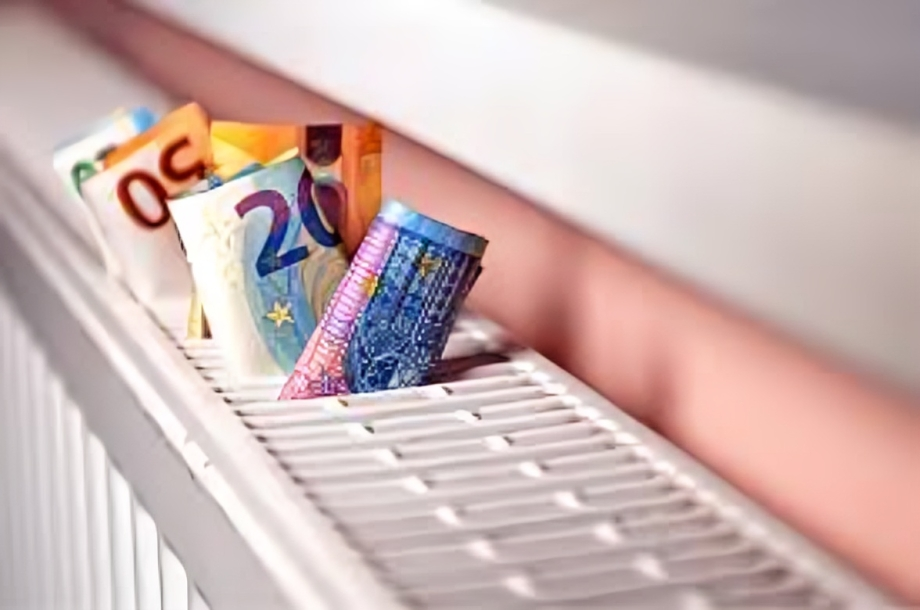

In February 2026, German policymakers made headlines with the announcement that the heizungsgesetz gekippt decision effectively scraps the strict 65-percent renewable energy mandate. The new coalition of Union and SPD agreed to reform the Gebäudeenergiegesetz, restoring greater choice for citizens. This shift reverses key elements of the previous Ampel government’s rules, which had sparked widespread debate over costs and practicality. Homeowners now face fewer immediate restrictions on heating upgrades, though climate targets remain on the agenda through alternative measures. Understanding these changes helps everyday Germans plan for the future without unnecessary panic or expense.
The Original Heizungsgesetz and Its Ambitious Goals
Germany’s Gebäudeenergiegesetz, often called the Heizungsgesetz, entered force in 2024 under the prior government. It required every new or replaced heating system to operate with at least 65 percent renewable energy, pushing heat pumps, district heating, or green hybrids. The law aimed to cut carbon emissions from buildings, which account for a large share of national energy use. For new builds, the rule applied immediately, while existing homes received phased deadlines. Supporters praised its role in meeting EU climate commitments, yet many critics highlighted the high upfront costs and technical challenges for older properties. This framework shaped renovation decisions across the country until recent reforms took center stage.
Why the Heizungsgesetz Faced Strong Opposition
Public and political resistance grew quickly around the original rules. Many homeowners worried about expensive conversions, especially in rural areas where gas or oil systems still worked efficiently. Installation delays and supply shortages for heat pumps added frustration during the energy crisis. Political opponents argued the mandate ignored real-world affordability and infrastructure limits. Debates in parliament and media intensified, with claims that the law limited personal freedom in choosing suitable technology. By late 2025, these concerns contributed to a coalition shift that prioritized practicality over rigid targets. The resulting heizungsgesetz gekippt move directly addressed these grievances by removing the blanket obligation.
Key Reforms After the Heizungsgesetz Gekippt Announcement
The core change drops the 65-percent renewable requirement entirely for new heating installations. Gas and oil systems can now be installed without mandatory green quotas at the appliance level. Instead, a gradual Grüngasquote will require suppliers to blend increasing shares of biomethane or hydrogen into fossil gas networks starting in 2029. This approach shifts responsibility to energy providers rather than individual households. Communal heat planning rules are also simplified, easing burdens on smaller towns. The reform package, expected to pass soon and take effect around mid-2026, emphasizes technology openness and practical solutions for every building type.
Practical Benefits for German Homeowners and Families
Homeowners gain real freedom to select heating systems that fit their budgets and property needs. Whether choosing a modern heat pump for efficiency or sticking with reliable gas in areas lacking alternatives, decisions now rest with individuals rather than mandates. No forced retrofits mean lower immediate financial pressure for families facing other living costs. Existing systems can continue operating without sudden replacement deadlines, providing peace of mind. Experts note this flexibility prevents rushed choices that might prove inefficient long-term. Overall, the heizungsgesetz gekippt reform returns control to citizens who best understand their homes.
Costs, Subsidies, and Financial Outlook Post-Reform
While upfront mandates disappear, some ongoing expenses remain through rising CO₂ pricing on fossil fuels. However, subsidies for climate-friendly options like heat pumps stay available up to 70 percent through programs such as KfW, at least until 2029. This support encourages voluntary upgrades without compulsion. Green gas blends may raise monthly bills slightly once the quota ramps up, but experts estimate modest increases for typical households. Oil users could see similar adjustments with bio-oils. The approach balances affordability with gradual decarbonization, helping families budget without surprise bills. Many welcome the clarity that replaces earlier uncertainty.
Climate Goals and Environmental Trade-Offs
Critics from environmental groups warn that dropping the 65-percent rule could slow progress toward national climate targets. Buildings still contribute heavily to emissions, and relying on future green gas supplies carries risks if production lags. Supporters counter that the CO₂ price mechanism plus supplier quotas will drive reductions anyway. Hydrogen and biomethane offer pathways to cleaner heating without banning proven technologies outright. The debate continues on whether flexibility or strict rules deliver faster results. Policymakers insist the new path maintains ambition while avoiding backlash that could stall broader acceptance of green transitions.
Looking Ahead: The Future of Heating in Germany
With the heizungsgesetz gekippt reforms advancing, Germany moves toward a more adaptable energy strategy. New builds and renovations will benefit from tailored solutions rather than one-size-fits-all rules. Innovation in hybrid systems and district networks may accelerate as markets respond to homeowner preferences. Long-term, the Grüngasquote aims to decarbonize existing gas infrastructure without massive disruptions. Citizens should monitor local incentives and consult professionals before major decisions. This balanced approach seeks to align climate action with economic reality, fostering wider support for sustainable living across the nation.
FAQs
What exactly does heizungsgesetz gekippt refer to?
It describes the February 2026 agreement by Union and SPD to remove the 65-percent renewable mandate from the Gebäudeenergiegesetz. The strict rule is replaced by supplier-focused green gas requirements, restoring choice for homeowners.
Can I still install a gas or oil heater after the changes?
Yes, both gas and oil systems remain fully permitted without the previous renewable percentage obligation. The reform prioritizes technology neutrality, allowing classic options alongside modern alternatives.
Will funding for heat pumps continue?
State subsidies up to 70 percent stay in place at least until 2029 for those choosing climate-friendly systems voluntarily. Details may adjust, but support for voluntary upgrades persists.
When will the new heating rules actually apply?
The core changes are expected to enter force around mid-2026 once parliament approves the legislation. The Grüngasquote begins phasing in from 2029 onward.
How does this affect Germany’s climate targets?
The reform maintains decarbonization goals through CO₂ pricing and green gas blending rather than appliance mandates. Environmental groups debate its speed, but officials emphasize practical progress without losing momentum.
Fazit
The recent heizungsgesetz gekippt decision marks a significant policy pivot that prioritizes homeowner freedom while keeping climate objectives in view. By eliminating the rigid 65-percent rule and introducing supplier quotas, Germany offers practical solutions tailored to real needs. Homeowners benefit from choice, continued subsidies, and reduced immediate costs, yet gradual decarbonization continues through innovative gas blends. This approach addresses past controversies without abandoning sustainability. As the new framework rolls out in 2026, staying informed will help families make confident decisions. Ultimately, the reform signals a more collaborative route toward efficient, affordable, and greener heating for all.