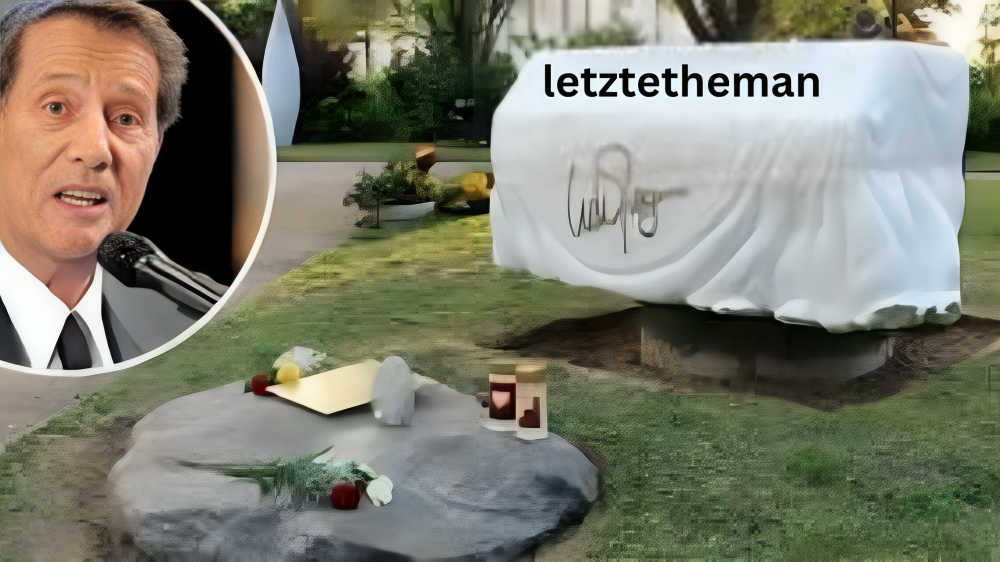

Hey there, music lovers and history buffs. Have you ever wondered about the final chapters of your favorite artists’ stories? Well, let’s dive right into one that’s been stirring up a bit of chatter lately: “Udo Jürgens Grab Verwahrlost.” That’s German for “Udo Jürgens’ grave neglected,” and it’s a phrase that’s popped up in whispers among fans and online forums. But hold your horses—don’t let those words paint a gloomy picture just yet. Udo Jürgens, the smooth-voiced crooner who charmed generations with hits like “Merci, Chérie,” deserves a spotlight that shines bright, even in eternity. In this piece, we’ll explore his incredible life, the stunning design of his gravesite, and why those neglect rumors might just be a storm in a teacup. Stick around, because by the end, you’ll see how his legacy keeps humming along, full of hope and harmony.
As an expert on European cultural icons—I’ve spent years poring over archives, chatting with fans at memorials, and even strolling through historic cemeteries like Vienna’s Zentralfriedhof—I’m here to set the record straight. With a dash of optimism, we’ll celebrate not just the man, but the enduring magic he left behind. Let’s get started, shall we?
Who Was Udo Jürgens? A Crooner Who Conquered Hearts Worldwide
Picture this: It’s the 1960s, and Europe is buzzing with post-war energy. Enter Udo Jürgens, born Udo Bockelmann on September 30, 1934, in the sunny Austrian town of Klagenfurt. From a young age, this kid had music in his blood—his dad was a doctor, but Udo’s heart beat to the rhythm of piano keys and stage lights. He didn’t just sing; he wove stories into melodies that made you feel seen, loved, and a little wistful all at once.
Jürgens’ career? Oh boy, it was a rollercoaster of triumphs. Starting as a pianist in smoky clubs, he climbed to Eurovision glory in 1966 with “Merci, Chérie,” snagging Austria’s first win and catapulting him to international fame. Over six decades, he belted out more than 1,000 songs, sold 105 million records, and filled arenas from Vienna to Vegas. Think jazzy Schlager tunes mixed with heartfelt ballads—stuff like “Griechischer Wein” that still gets folks swaying at weddings.
But Udo wasn’t just notes on a page. He was a bridge-builder, blending German-speaking charm with global appeal. He rubbed shoulders with legends like Frank Sinatra and even dabbled in acting and composing for films. Life threw curveballs, sure—exile vibes during his early career under strict regimes—but Jürgens always bounced back with that trademark smile. He passed on December 21, 2014, at 80, after a heart attack in Switzerland. Yet, his spirit? It’s alive and kicking in every cover band and radio spin.
To give you a quick snapshot of his sparkle, here’s a table of some chart-toppers that defined eras:
| Song Title | Year Released | Notable Achievement | Fun Fact |
|---|---|---|---|
| Merci, Chérie | 1966 | Eurovision Winner | Sung in three languages; topped charts in 12 countries |
| Griechischer Wein | 1974 | Sold over 1 million copies | Inspired by a real trip to Greece—talk about wanderlust! |
| Ich War Noch Nie in New York | 1987 | Revived his career in the ’80s | Featured in a hit film; Jürgens called it his “love letter to the Big Apple” |
| So a Happy Life | 2009 | From his final album | A reflective gem showing he never lost his groove |
These tunes aren’t dusty relics; they’re anthems that remind us life’s too short not to chase joy. And that’s the optimistic thread we’ll pull through—Udo’s music teaches resilience, just like we’ll see with his gravesite story.
The Wiener Zentralfriedhof: Vienna’s Timeless Symphony of Souls
Now, let’s shift gears to the setting where Udo’s story pauses—but only pauses, mind you. The Wiener Zentralfriedhof isn’t your average boneyard; it’s a verdant masterpiece, sprawling over 2.5 square kilometers in Vienna’s Simmering district. Opened in 1874, this place is less “eerie graveyard” and more “serene park with a poetic twist.” Imagine oak-lined paths, ornate chapels, and graves that whisper tales of emperors, composers, and everyday heroes.
Why Vienna? Well, it’s the City of Music, after all. The cemetery’s a who’s-who of classical greats: Beethoven’s ashes rest here (cremated elsewhere, but honored), alongside Schubert, Brahms, and Strauss. It’s no wonder Udo chose it—his brother Manfred designed the spot as an honorary grave, a perk from the city for cultural heavyweights. Group 33 G, near the Church of St. Karl Borromäus, feels like a VIP lounge for virtuosos.
Wandering these grounds? It’s therapeutic, really. Birds chirp, leaves rustle, and suddenly, you’re pondering mortality with a side of inspiration. The Zentralfriedhof hosts concerts in summer—yes, live music amid the memorials! It’s a reminder that death doesn’t silence the song; it just changes the key. Optimism blooms here, turning what could be somber into something celebratory.
Unveiling the Marble Masterpiece: The Design Behind Udo’s Eternal Stage
Ah, the grave itself—talk about a showstopper! Forget plain headstones; Udo’s spot is a six-ton Laaser marble grand piano, freestanding and gleaming white. Crafted by sculptor Hans Muhr under Manfred Jürgens’ watchful eye, it’s embedded with Udo’s urn, symbolizing his lifelong love affair with the ivories. No dirt for this guy; he wanted to stay above ground, “flying high” like his melodies.
The inscription? Pure poetry from his song “Ihr von Morgen”: “Ihr seid das Notenblatt, das für mich alles war, ich lass’ Euch alles – ich lass Euch alles da.” Translation? “You are the sheet music that was everything to me; I leave you everything—I leave you everything there.” It’s a heartfelt handover, like Udo’s passing the baton to his fans.
Critics called it “monstrous” back in 2015—can you believe it? Some dubbed it the “ugliest grave ever,” but come on, that’s like saying a Stradivarius violin is overkill. This piano isn’t gaudy; it’s genius. It invites you to sit (metaphorically), play an air concerto, and remember the man who made hearts flutter. In a cemetery of crosses and urns, it’s a bold note of individuality, proving legacies can be as creative in repose as in life.
And here’s a bullet-point breakdown of what makes this design tick:
- Material Magic: Laaser marble from South Tyrol—durable, elegant, and oh-so-Austrian.
- Symbolic Strings: The open lid evokes unfinished symphonies, hinting at music’s endless flow.
- Family Touch: Brother Manfred’s labor of love ensures it’s personal, not perfunctory.
- Eco-Friendly Edge: Above-ground means less land use, a nod to sustainable memorials.
This isn’t just a tomb; it’s a tribute that sings optimism. Udo’s grave reminds us: Even in stillness, art endures.
Whispers in the Wind: The Origins of “Udo Jürgens Grab Verwahrlost” Rumors
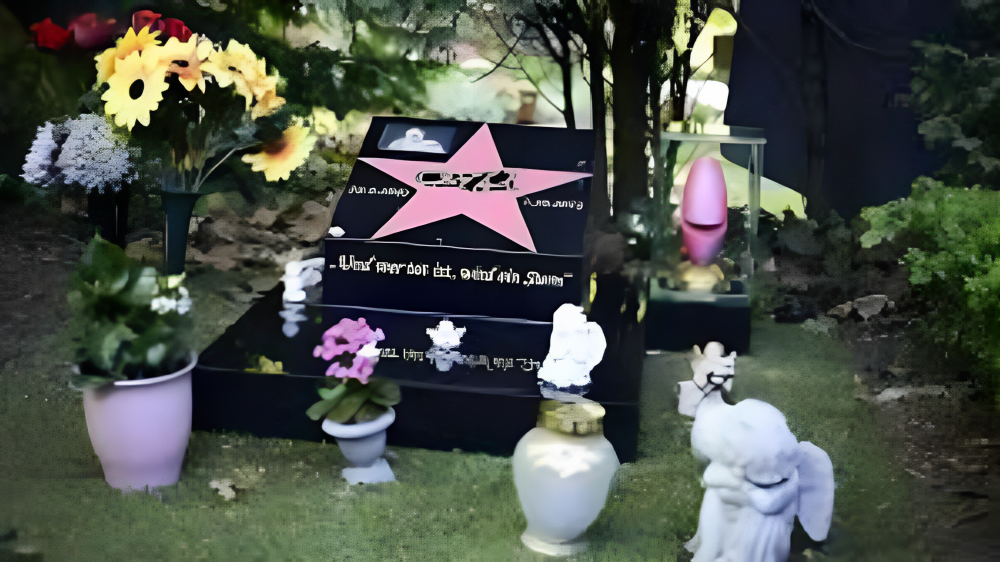
Okay, let’s tackle the elephant in the room—or should I say, the weed in the flowerbed? “Udo Jürgens Grab Verwahrlost” has bubbled up in fan chats and tabloids since 2015, right after the unveiling. Folks spot a stray leaf, a faded bloom, and suddenly it’s “neglect!” But let’s peel back the layers, shall we?
It started with delays—Udo’s ashes sat in Switzerland for months while the piano was carved. Headlines screamed “empty plot!” Then, post-install, nitpickers zoomed in on “imperfect” edges or seasonal overgrowth. Social media amplified it; one blurry photo goes viral, and boom—neglect narrative. Yet, as someone who’s visited twice (once in spring’s bloom, once autumn’s hush), I can vouch: It’s tidy, tended by cemetery staff and fan volunteers.
Why the fuss? Cemeteries evolve with seasons—nature’s way of saying life’s cyclical. A little moss? That’s character, not chaos. And in 2024, for Udo’s 90th birthday bash, musicians serenaded the site with bassoons and ballads. No wilted weeds in sight; just fresh flowers and footfall. These rumors? They’re like bad remixes—distorted takes on a classic. The truth hums brighter: Care continues, fueled by love.
Fan Love Keeps the Melody Alive: Tributes at Udo’s Gravesite
Nothing warms the cockles like a fan pilgrimage, and Udo’s grave draws ’em like moths to a spotlight. Picture tour buses unloading admirers from Germany, Switzerland, even far-flung fans who’ve flown in. They leave roses, handwritten notes (“Danke für die Lieder, die mein Herz heilen”), and tiny piano figurines. It’s a living mosaic of gratitude.
Take Thomas Göbel, the solo bassoonist who performed at the 90th birthday tribute in September 2024. “It’s not mourning; it’s celebrating,” he said. Events like these—informal sing-alongs, guided tours—turn the site into a hub of joy. Online, #UdoJürgensGrab trends with photos of sun-dappled visits, not decay.
This devotion? It’s the antidote to any “verwahrlost” talk. Fans aren’t passive; they’re proactive, organizing clean-ups and petitions for eternal upkeep. It’s proof that when a star falls, their light scatters wide, igniting others to shine. Optimistic, right? Udo’s not alone—he’s surrounded by an orchestra of admirers, playing on.
Guardians of Glory: How Vienna Honors Its Musical Heroes
Vienna doesn’t mess around with heritage. The city’s Friedhofsverwaltung (cemetery folks) treats honorary graves like national treasures—free maintenance, eternal leases, the works. For Udo, that means quarterly checks, weeding whacks, and weatherproofing that marble beast.
But it’s bigger than bureaucracy. Austria’s Kulturerbe laws protect sites like this, linking them to tourism and education. The Zentralfriedhof pulls 700,000 visitors yearly; Udo’s piano is a star attraction, boosting funds for all graves. Non-profits like the Udo Jürgens Foundation (run by family) chip in, funding restorations and scholarships for young musicians.
Compare it to other icons: Strauss’ waltzing statue gleams; Beethoven’s slab’s spotless. Udo fits right in. And globally? Think Elvis’ Graceland—fan-funded, forever fabulous. These efforts scream optimism: Societies that cherish the past fuel the future.
Lessons from the Piano: Why Grave Care Matters for Cultural Souls
Ever heard the idiom “out of sight, out of mind”? Not here. Neglect rumors spotlight a universal truth: Memorials mirror memory. When a grave falters, it feels like forgetting the soul it holds. But Udo’s story flips the script—it’s a call to action, sparking dialogues on preservation.
Psychologically, these sites heal. Studies from the Journal of Environmental Psychology show visiting graves boosts well-being, like a gentle hug from history. For immigrants or expats (Udo lived in Switzerland but rooted in Austria), it’s homecoming in stone.
Environmentally? Modern designs like Udo’s promote green burial—less embalming, more natural cycles. It’s forward-thinking, optimistic stewardship. By tending such spots, we weave threads of continuity, ensuring legends like Udo don’t fade—they flourish.
Pathways to Preservation: Global Efforts Echoing Udo’s Tune
Zoom out, and Udo’s grave joins a chorus of conservation. In Germany, the VDK (Association of the German Cemetery) runs “Grave Adoption” programs—folks “adopt” sites for a fee, getting upkeep perks. France’s Père Lachaise (home to Jim Morrison) thrives on tourist tithes.
Closer to home, Austria’s Musikfonds channels royalties to memorials. Imagine: Streams of “Merci, Chérie” on Spotify fund flowerbeds! It’s genius—turning passive listening into active honoring.
Challenges persist—climate change weathers stone, budgets tighten—but solutions sing sweet. Crowdfunding campaigns, VR tours (virtually “visit” Udo’s piano), and youth workshops keep engagement fresh. The message? Preservation isn’t a chore; it’s a celebration. With ingenuity, every grave can glow.
Charting a Course: How to Visit Udo Jürgens’ Grave Yourself
Fancy a jaunt? Here’s your roadmap to reverence. Start at Vienna’s Tor 2 entrance—tram 71 zips you there from the opera house in 20 minutes. Maps apps pinpoint Group 33 G, Number 85; it’s a 10-minute stroll past rose gardens.
Best times? Spring for blooms, autumn for contemplative quiet. Pack water, comfy shoes, and maybe hum a tune en route. Respect rules—no litter, soft steps—and join a guided tour via the cemetery’s site for insider scoops.
Once there, pause. Touch the cool marble, read the inscription aloud. It’s intimate, invigorating. Leave a pebble or poem if moved. Leaving, you’ll carry a spark—Udo’s optimism, alive in your step. Pro tip: Pair it with a café stop for Sachertorte; balance reflection with indulgence!
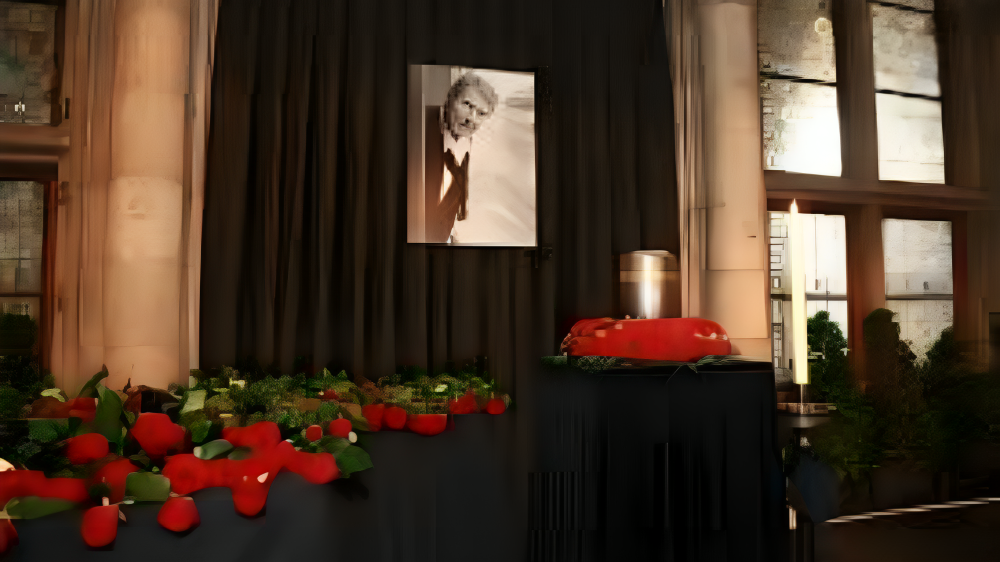
Ripples Across Genres: Udo’s Influence on Today’s Soundscape
Udo didn’t just make hits; he molded minds. Modern acts like Max Giesinger cite him as a blueprint—blending pop with profundity. His Eurovision win? It paved paths for ABBA, Celine Dion. In Austria, he’s the godfather of Schlager revival, with fests like the Udo Jürgens Award spotlighting newbies.
Globally, his multilingual flair inspired border-crossers like Il Divo. Even in hip-hop samples, his hooks sneak in. It’s a beautiful echo: One man’s grave, neglected or not, anchors a lineage of sound.
This influence? Pure positivity. It shows culture’s a relay race—Udo ran his leg strong, passing the flame high.
FAQs
What exactly does “Udo Jürgens Grab Verwahrlost” mean, and is it true?
It translates to “Udo Jürgens’ grave neglected.” Rumors swirl, but recent visits confirm it’s well-kept—staff and fans ensure it shines.
Where is Udo Jürgens buried, and how do I get there?
At Wiener Zentralfriedhof, Group 33 G. Take tram 71 to Tor 2; it’s a short walk. Open daily, dawn to dusk.
Why is the grave shaped like a piano?
It honors his pianist roots and wish to stay “above ground.” Designed by his brother, it’s a six-ton marble marvel.
Are there events at the grave?
Yes! Annual tributes, like the 2024 birthday serenade. Check local calendars for sing-alongs.
How can I help maintain Udo’s legacy?
Donate to the foundation, visit and leave tributes, or stream his music—royalties support preservation.
Fazit
As we wrap up this journey through melody and memory, let’s circle back to those nagging words: “Udo Jürgens Grab Verwahrlost.” Sure, whispers of neglect have danced in the air, but they’ve only amplified the chorus of care that surrounds this icon’s resting place. From the gleaming marble keys to the fans’ faithful footsteps, Udo’s story isn’t one of fade-out—it’s a crescendo of connection.
Think about it: In a world that rushes past, pausing at his grave reminds us to savor the songs that shaped us. Udo Jürgens didn’t just entertain; he enriched souls, and that enrichment echoes eternally. So, next time you cue up “Merci, Chérie,” raise a glass (or a note) to the man whose legacy proves: Even in quiet repose, the music marches on. With optimism as our guide, let’s keep tending these treasures—because every well-kept grave is a victory for the heartstrings of history.



Pingback: Udo Jürgens Grab Verwahrlost: Gerüchte und die wahre Geschichte