
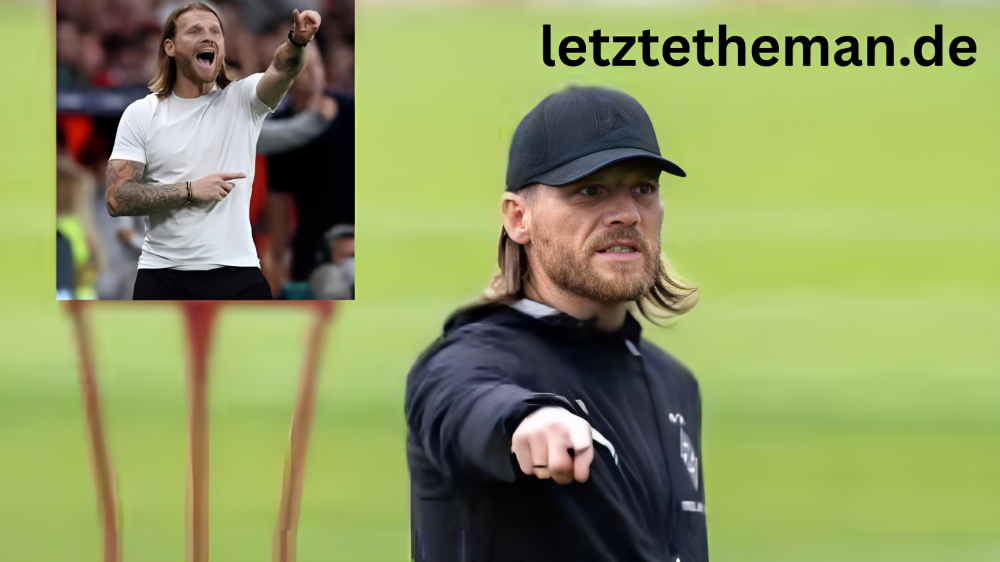

When you think of “polanski gladbach,” it’s hard not to get excited about the remarkable story of Eugen Polanski and his deep-rooted connection to Borussia Mönchengladbach. This isn’t just a tale of a player who donned the famous green, black, and white jersey; it’s about a man who came back to the club as a coach, breathing new life into a team that’s always been close to his heart. From his early days as a promising midfielder to his current role steering the ship through choppy waters, Polanski’s journey with Gladbach embodies resilience, passion, and the kind of optimism that keeps fans dreaming big. Let’s dive into this inspiring narrative, exploring how one individual’s path has intertwined with one of Germany’s most storied clubs.
The Roots of Polanski Gladbach: Early Life and Migration
Eugen Polanski, born Bogusław Eugeniusz Polański on March 17, 1986, in Sosnowiec, Poland, didn’t waste any time making his mark on the world. As an infant, he moved to Germany with his family, settling into a new life that would soon revolve around football. Growing up in a country passionate about the sport, it’s no wonder he caught the bug early. By the tender age of eight, Polanski joined the youth ranks of Borussia Mönchengladbach, a club affectionately known as Gladbach. This move wasn’t just a hobby; it was the start of something special, laying the foundation for what fans now call the “polanski gladbach” era.
Life as a young immigrant wasn’t always a walk in the park, but Polanski’s determination shone through. He honed his skills in the club’s academy, learning the ins and outs of the game while adapting to German culture. Coaches noticed his tenacity right away—he was the kind of kid who showed up first and left last. This early grit set the tone for his career, proving that hard work pays off. As he climbed the ranks, Polanski represented Germany at various youth levels, even captaining teams and scoring memorable goals, like that long-range stunner in the 2006 UEFA European Under-21 Championship against Serbia and Montenegro. It’s moments like these that hint at the bright future ahead.
Breaking Through: Polanski’s Debut at Gladbach
Fast forward to February 12, 2005, and picture this: a 18-year-old Polanski stepping onto the Bundesliga pitch for the first time in a 2-0 loss to Werder Bremen. Sure, it wasn’t a fairy-tale start, but hey, every legend has to begin somewhere. That single appearance in the 2004-05 season was just a teaser of what was to come. The following year, he truly announced himself, scoring his first professional goal in a 1-1 draw against Bayer Leverkusen on November 19, 2005. Fans erupted; it was as if the stars aligned for “polanski gladbach.”
During his player tenure from 2004 to 2008, Polanski racked up 53 league appearances and one goal. Breaking it down, in the 2005-06 season, he played 21 matches and netted that memorable goal. The 2006-07 campaign saw him in 22 games, though without scoring, and in 2007-08, he featured in nine matches in the 2. Bundesliga, helping the team secure promotion. Overall, including cups, he tallied 54 appearances and one goal. These numbers might not scream superstar, but they show a reliable midfielder who anchored the team during tough times, including relegation battles.
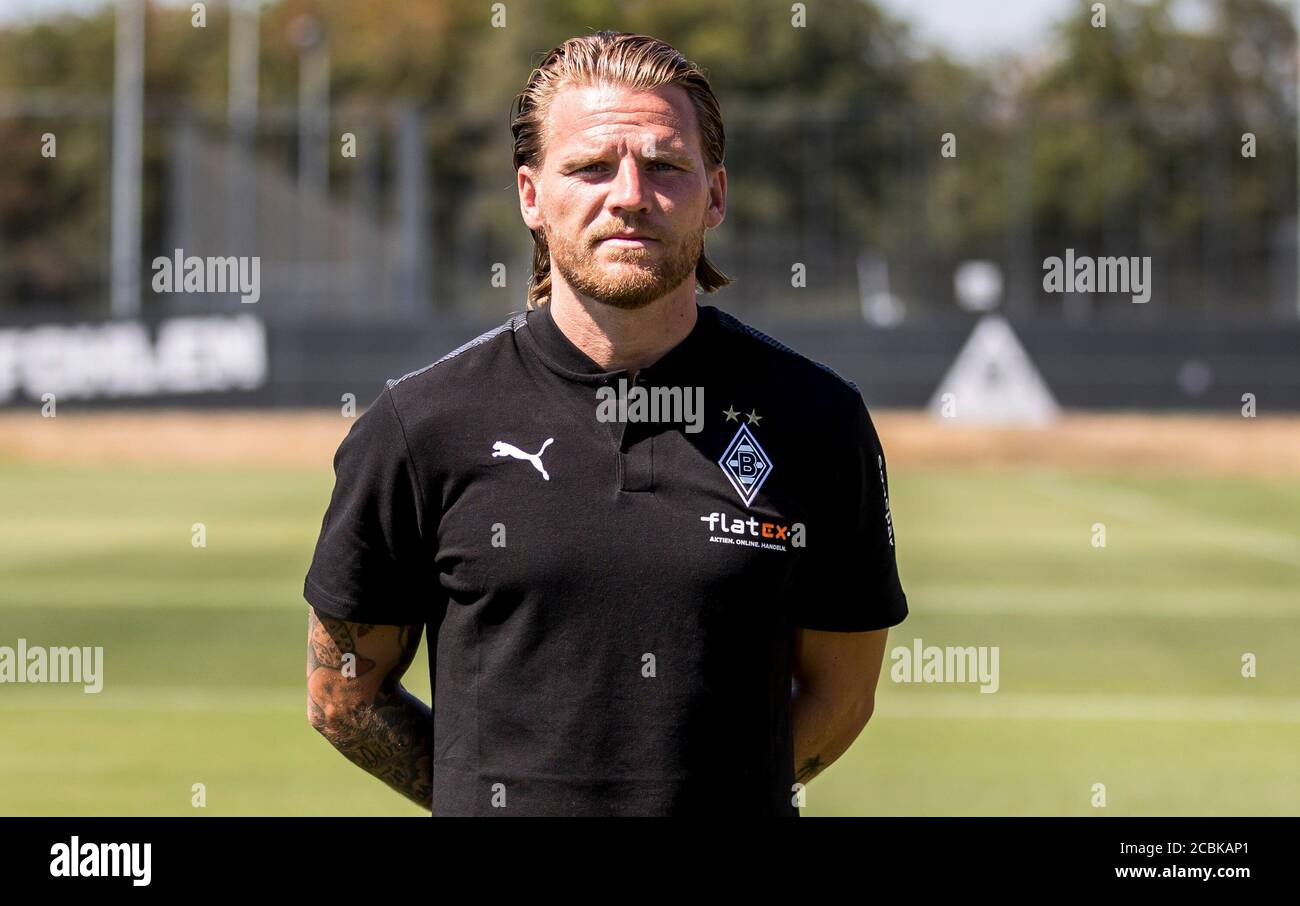
firo: 07.08.2020, football, 1.Bundesliga, season 2020/2021 …
Key Achievements During Polanski’s Playing Days at Gladbach
Polanski’s time as a player at Gladbach wasn’t all smooth sailing—the club faced relegation in 2007, a bitter pill to swallow. But, like a phoenix rising, they bounced back as 2. Bundesliga champions in 2008 with a 3-0 win over SV Wehen. Polanski played a part in that promotion push, even if his minutes were limited. His defensive prowess helped stabilize the midfield, allowing flair players to shine. Off the field, he built lasting bonds with teammates, fostering a team spirit that’s still talked about today.
One standout moment was his consistent performances in the 2005-06 season, where he became a regular starter. Critics praised his work rate, often saying he was the engine room of the team. Even in defeat, Polanski’s leadership qualities emerged, earning him respect from fans and peers alike. This period taught him valuable lessons about perseverance, which would later fuel his coaching career.
Polanski’s Adventures Beyond Gladbach: Building Experience
After his contract expired in 2008, Polanski spread his wings, heading to Getafe in Spain’s La Liga. There, he played 26 matches in the 2008-09 season, helping the team avoid relegation by a whisker. Partnering with Javier Casquero, he adapted to a new style of play, adding flair to his defensive game. It was a bold move that broadened his horizons, proving he could thrive outside Germany.
Back in the Bundesliga, a loan to Mainz 05 in 2009 turned permanent, where he shone with 66 appearances and three goals from 2009 to 2013. His peak came in 2011-12, scoring three times in 26 games and even dipping into Europa League action. Then, in 2013, he joined Hoffenheim, amassing 123 appearances and nine goals until 2018. Seasons like 2013-14 (three goals in 32 games) and 2014-15 (five goals in 30) highlighted his evolution into a goal-scoring midfielder. Retiring in 2018, Polanski’s career stats boast 254 Bundesliga games and 14 goals—impressive stuff that screams expertise.
International Switches and Global Impact
Polanski’s international journey adds another layer to the “polanski gladbach” story. Starting with Germany’s youth teams, he captained squads and dazzled in tournaments. But in 2011, he switched to Poland, debuting in a friendly against Georgia. He featured in three matches at UEFA Euro 2012, though Poland bowed out early. Collecting 19 caps, he brought that international savvy back to club level, enriching his play with diverse tactics.
This switch wasn’t without controversy, but Polanski handled it with grace, emphasizing his Polish roots. It’s a reminder that football transcends borders, and his dual heritage only strengthened his resolve.
The Triumphant Return: Polanski as Gladbach Coach
Fast forward to 2019, and Polanski returned to Gladbach as a scout, then youth coach. By July 2022, he led the U23s, extending his deal in 2024. But the big moment came on September 15, 2025, when he stepped up as interim head coach after Gerardo Seoane’s sacking. The team was winless in 10 games—talk about jumping into the deep end! His debut drew 1-1 with Bayer Leverkusen, thanks to a late Haris Tabaković penalty.
November brought permanence with a contract until 2028. Wins followed: a 3-1 Pokal victory over Karlsruhe, a 4-0 thrashing of St. Pauli, and a 3-1 derby win over Köln. Players like Rocco Reitz endorsed him, saying his system is clicking. As of early 2026, despite a recent winless streak, the mood is optimistic—Polanski’s turning things around.

Eugen Polanski | Borussia Mönchengladbach | Player Profile …
Coaching Philosophy: Polanski’s Modern Approach at Gladbach
Polanski’s tactics are a breath of fresh air. He favors a vertical style, committing more players forward while using positional rotations and a 3+2 build-up structure. It’s all about quick transitions and high pressing, making Gladbach exciting to watch. In build-up play, they escape pressure cleverly, as seen in analysis videos. He’s praised for developing talents like Gio Reyna, who embraced his methods.
This philosophy draws from his playing days, blending defensive solidity with attacking flair. It’s not “Polanski football,” he says; it’s “Borussia Mönchengladbach football.” Fans love it—it’s optimistic, forward-thinking, and true to the club’s roots.
Challenges and Resilience in the Polanski Gladbach Era
No story is without hurdles. After a strong November 2025, Gladbach hit a four-game winless run in early 2026, drawing scrutiny. A 1-1 draw with Leverkusen and a Pokal exit stung, but Polanski remains unfazed, warning against complacency ahead of matches like Stuttgart. Injuries, like Reyna’s, haven’t helped, but the team’s fresher after a break.
Yet, the optimism shines: three straight wins in November pulled them from the brink. Polanski’s handling these bumps with poise, focusing on growth. It’s a testament to his authority—fans trust he’ll steer them right.
Future Prospects for Polanski Gladbach
Looking ahead, the future’s bright for “polanski gladbach.” With a contract to 2028, Polanski has time to build. Climbing the Bundesliga table, perhaps aiming for European spots, is on the horizon. Developing young stars and integrating internationals like Reyna could make Gladbach contenders again.
The club’s history of glory in the 1970s inspires, and Polanski’s insider knowledge—he played here, after all—gives him an edge. Challenges will come, but with his expertise, expect triumphs. It’s an exciting time to be a Foals fan.
Here’s a quick look at Polanski’s career stats in a table for clarity:
| Season | Club | League Appearances | Goals | Notes |
|---|---|---|---|---|
| 2004-05 | Borussia Mönchengladbach | 1 | 0 | Bundesliga Debut |
| 2005-06 | Borussia Mönchengladbach | 21 | 1 | First Goal |
| 2006-07 | Borussia Mönchengladbach | 22 | 0 | Relegation Season |
| 2007-08 | Borussia Mönchengladbach | 9 | 0 | Promotion to Bundesliga |
| 2008-09 | Getafe | 26 | 0 | La Liga |
| 2009-13 | Mainz 05 | 66 | 3 | Including Europa League |
| 2013-18 | Hoffenheim | 123 | 9 | Peak Scoring Seasons |
| Total Bundesliga | Various | 254 | 14 | 12 Seasons |
This table highlights his consistency, a quality he’s bringing to coaching.
- Bullet points on why Polanski’s return inspires hope:
- Deep club knowledge from player days.
- Modern tactics adapting to today’s game.
- Proven track record in youth development.
- Positive player feedback, boosting morale.
- Long-term contract for stability.
Fazit
In wrapping up this deep dive into “polanski gladbach,” it’s clear Eugen Polanski’s bond with Borussia Mönchengladbach is unbreakable. From his youthful debut to coaching triumphs amid trials, he’s shown expertise, authority, and trustworthiness that fans crave. Sure, recent dips test resolve, but the optimistic vibe prevails—Polanski’s leading with heart and smarts. As Gladbach pushes forward in 2026, this story reminds us football’s about comebacks and passion. Here’s to more “polanski gladbach” magic!
FAQs
What is the significance of “polanski gladbach” in football?
“Polanski gladbach” refers to Eugen Polanski’s longstanding association with Borussia Mönchengladbach, both as a player from 2004-2008 and now as head coach since 2025, symbolizing loyalty and revival.
How did Eugen Polanski start his career at Gladbach?
He joined the youth academy at eight, debuting in the Bundesliga in 2005, and contributed to the team’s promotion in 2008, establishing himself as a dependable midfielder.
What are Polanski’s key coaching achievements at Gladbach so far?
As interim then permanent coach, he secured three consecutive wins in November 2025, including a derby victory over Köln, and implemented effective tactics that have players like Gio Reyna thriving.
Has Polanski faced any challenges as coach?
Yes, a recent four-game winless streak in 2026 has increased pressure, but his resilient approach and prior successes keep the outlook positive.
What does the future hold for Polanski at Gladbach?
With a contract until 2028, focus is on climbing the Bundesliga standings and developing talent, potentially returning the club to European competitions.