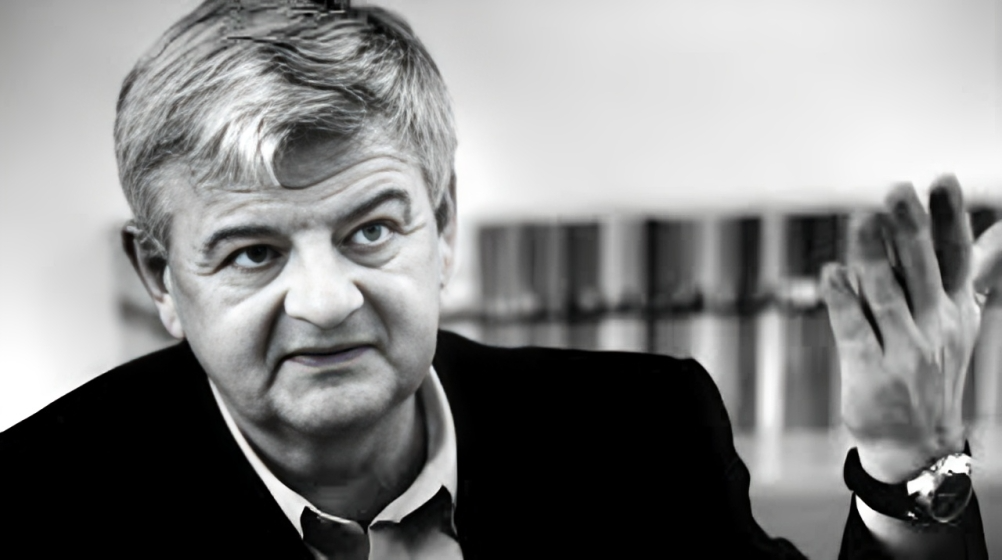

When we talk about joschka fischer jung, it’s like peeking into the early chapters of a story that would later shape modern German politics. Joschka Fischer, born Joseph Martin Fischer, started his life in a small town, facing challenges that many young people can relate to. Yet, his youthful energy and determination turned those hurdles into stepping stones. This article dives deep into joschka fischer jung’s life, exploring how his early experiences built the foundation for a remarkable career. From family roots to street activism, we’ll see how a boy from a displaced family grew into a key figure in Germany’s Green movement. It’s an inspiring tale, showing that even tough starts can lead to positive change.
Family Roots and Early Childhood of Joschka Fischer Jung
Joschka fischer jung‘s story begins with a family on the move. Born on April 12, 1948, in Gerabronn, a quiet spot in Württemberg-Baden, Germany, he was the third child of József Fischer, a butcher, and his wife Elisabeth. His parents weren’t originally from Germany; they were ethnic Germans from Hungary, part of a group called the Danube Swabians who had lived in Budakeszi for generations. But after World War II, in 1946, they had to flee Hungary due to Soviet occupation and the expulsion of Germans. Imagine that—packing up everything and starting over in a new country. They settled first in Gaildorf, then Kirchberg an der Jagst, and finally Langenburg, where his dad ran a butcher shop.
Growing up, joschka fischer jung was raised in a Catholic household. He even served as an altar boy in the parish in Oeffingen, which shows a glimpse of his early disciplined side. His nickname “Joschka” comes from the Hungarian diminutive of Joseph, or “Jóska,” adding a touch of his heritage to his identity. Life wasn’t easy for the family; they were at the bottom rung in postwar Germany, dealing with poverty and the scars of displacement. But hey, these roots instilled in him a sense of resilience. As experts on German history note, such backgrounds often foster a strong will to fight for justice, which we’d see later in his life.
In those early years, joschka fischer jung probably helped around the butcher shop, learning the value of hard work. His family’s story is a classic example of how migration shapes character—turning potential hardship into fuel for ambition. It’s optimistic to think that from these humble, uprooted beginnings, he would rise to influence national policies.
School Days and Challenges Faced by Joschka Fischer Jung
School life for joschka fischer jung wasn’t a straight path. He attended the Gottlieb-Daimler-Gymnasium in Stuttgart-Bad Cannstatt, but by 1965, at just 17, he dropped out without finishing the 10th grade, or Untersekunda. Why? Well, like many teens, he might’ve found the structure stifling, or perhaps family pressures played a role. Instead of sticking it out, he jumped into an apprenticeship as a photographer in Fellbach. That sounded exciting—capturing moments, learning a trade. But even that didn’t last; he quit in 1966.
Without a high school certificate, joschka fischer jung never went to university. Poor eyesight kept him from military service or even civilian alternatives. Talk about roadblocks! Yet, this didn’t stop him. He turned to self-education, attending lectures as a guest at universities. Thinkers like Theodor W. Adorno, Jürgen Habermas, and Oskar Negt caught his ear. He dove into books by Marx, Mao, and Hegel, building knowledge on his own terms. It’s a reminder that formal education isn’t everything; passion drives learning.
These challenges in joschka fischer jung’s school days highlight a common theme: not everyone fits the mold, but that can lead to unique perspectives. Optimistically, his unconventional path made him more empathetic to those who struggle in traditional systems, a trait that shone in his later political work.
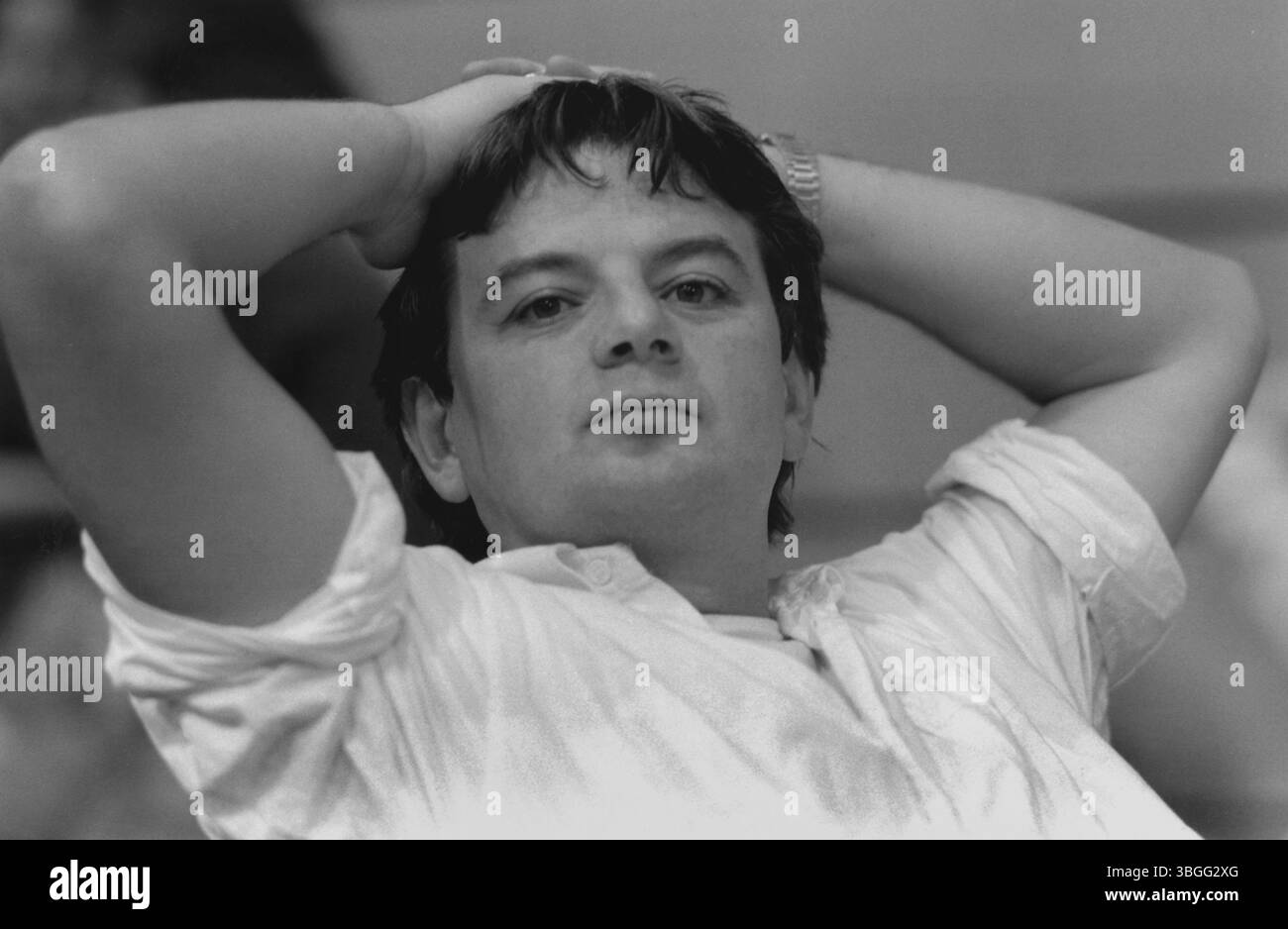
Joschka fischer Black and White Stock Photos & Images – Alamy
Moving to the City: Joschka Fischer Jung’s Entry into Activism
By 1967, joschka fischer jung was ready for change. He hitched his way into the West German student movement, starting in Stuttgart and then heading to Frankfurt am Main in 1968. Frankfurt was buzzing with energy—the heart of the post-1968 “Spontis,” a loose group of left-wing activists. It was like jumping into a whirlwind of ideas and protests.
To make ends meet, he took low-wage jobs. He worked in a left-wing bookstore, which fed his growing interest in radical politics. In 1969, at just 21, he attended a PLO conference in Algiers, rubbing shoulders with global revolutionaries. Back home, he co-founded the Karl-Marx-Bookstore in Frankfurt’s university district in 1970. These steps show how joschka fischer jung was diving headfirst into activism, seeking ways to challenge the status quo.
Life in the city wasn’t glamorous. He translated novels for a press, did odd jobs, and even had bit parts in films like “Der Fliegende Robert” in 1983 and “Va Banque” in 1986, playing a taxi driver—fitting, since he drove taxis from 1976 to 1981. But amid the hustle, friendships formed, like with Daniel Cohn-Bendit, a fellow activist he’d share a flat with. This period in joschka fischer jung’s life was all about exploration, and it’s uplifting to see how urban energy sparked his passion for change.
Radical Groups and Street Battles in Joschka Fischer Jung’s Youth
Things got intense for joschka fischer jung in the early 1970s. He joined the militant group Revolutionärer Kampf (Revolutionary Struggle) until 1975. This was part of the “Putzgruppe,” or Proletarian Union for Terror and Destruction, known for street clashes with police. Photographs from March 1973 show him in a black motorcycle helmet, involved in a scuffle where he clubbed a policeman named Rainer Marx. Later, he’d publicly apologize, showing growth.
In 1971, he tried factory work at Opel in Rüsselsheim, aiming to organize workers for revolution, but got fired after six months. Undeterred, he kept at it with unskilled labor. A 1976 demonstration for Ulrike Meinhof led to his brief arrest, suspected of throwing a Molotov cocktail—though no charges stuck. These events paint joschka fischer jung as a fiery young man, part of the broader student riots against authority.
- Key Influences: Exposure to thinkers like Adorno shaped his anti-establishment views.
- Daily Struggles: Balancing activism with jobs like taxi driving built his grit.
- Friendships: Bonds with Cohn-Bendit and others provided support in turbulent times.
Despite the violence, this phase in joschka fischer jung’s youth taught him about limits, paving the way for positive evolution.
Pivotal Events Shaping Joschka Fischer Jung’s Outlook
Several turning points marked joschka fischer jung’s transition. The 1977 German Autumn—a wave of terrorist acts by the Red Army Faction (RAF), including the kidnapping and murder of Hanns-Martin Schleyer and the Entebbe hijacking—shook him. He renounced violence, saying it “distorts one’s own face.” Though he once admitted little sorrow for some victims, this period led to disillusionment.
In 1981, the murder of Hessian Minister Heinz-Herbert Karry hit close; weapons linked to the crime were transported in his car, lent to friend Hans-Joachim Klein. Fischer claimed ignorance, but it forced reflection. He co-founded the Arbeitskreis Realpolitik with Cohn-Bendit, aiming for pragmatic Green policies.
These events in joschka fischer jung’s life were like wake-up calls, steering him toward non-violent change. It’s heartening how crises can spark personal growth, turning radicals into reformers.
Joschka Fischer Jung’s Shift Toward Peaceful Politics
By the late 1970s, joschka fischer jung was changing gears. The horrors of terrorism made him embrace democracy. He joined the Green Party in 1982, after founding realistic factions within it. This shift from street fighter to politician was remarkable.
He entered the Bundestag in 1983, serving until 1985 under rotation rules. His style was bold—he once called a vice president an “asshole” during a debate, grabbing headlines. But it showed his passion. In 1985, he became Hesse’s Environment Minister in the first SPD-Green coalition, famously wearing sneakers to his swearing-in—now in a museum!
This evolution in joschka fischer jung’s youth highlights optimism: people can learn from mistakes and contribute positively.
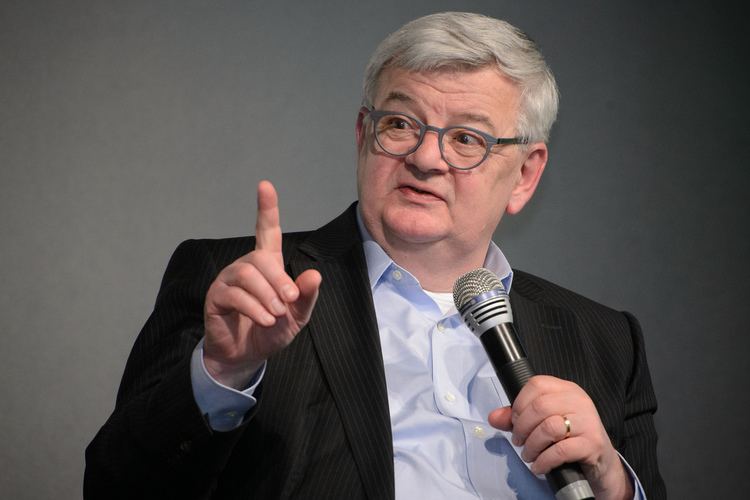
Joschka Fischer – Alchetron, The Free Social Encyclopedia
Early Political Roles and Achievements of Joschka Fischer Jung
As joschka fischer jung stepped into politics, he made waves. From 1991 to 1994, he was again Environment Minister, plus Deputy Minister President in Hesse. He co-chaired the Greens’ Bundestag faction, earning respect for speeches that positioned him as a real opposition leader.
His oratory and charisma shifted the Greens toward the center, enabling federal coalitions. In 1989, he controversially opposed quick German reunification, fearing instability—but later adapted. These roles built his expertise, showing how joschka fischer jung’s early activism informed balanced policies.
| Timeline of Key Early Political Milestones | Description |
|---|---|
| 1982: Joins Green Party | Marks formal entry into organized politics. |
| 1983: Elected to Bundestag | Becomes parliamentary manager for Greens. |
| 1985: Becomes Minister | First Green in a state cabinet, focusing on environment. |
| 1991: Deputy Minister President | Gains broader influence in Hesse government. |
| 1994: Co-chairs Federal Faction | Leads Greens toward mainstream acceptance. |
This table illustrates the steady climb, proving persistence pays off.
Lasting Impact of Joschka Fischer Jung’s Experiences
Reflecting on joschka fischer jung, his youth’s lessons echoed in later life. From radical to realist, he helped Greens join government in 1998 as Foreign Minister and Vice Chancellor under Gerhard Schröder. His opposition to the Iraq War and support for Kosovo intervention showed matured views.
Experts praise how his background brought fresh ideas to politics, emphasizing environmentalism and human rights. It’s uplifting: joschka fischer jung’s story inspires youth to channel energy constructively.
Fazit
In wrapping up, joschka fischer jung‘s journey from a displaced family’s son to a political trailblazer is truly motivating. His early struggles, activist fire, and eventual shift to peaceful reform demonstrate that growth is possible. Looking back, joschka fischer jung reminds us that youthful passion, when guided wisely, can lead to lasting positive impact on society.
FAQs
What was Joschka Fischer’s family background?
Joschka Fischer came from ethnic Germans expelled from Hungary in 1946, settling in Germany where his father worked as a butcher.
Why did Joschka Fischer drop out of school?
He left high school in 1965 without a certificate, possibly due to disinterest or family needs, and pursued apprenticeships instead.
What radical groups was Joschka Fischer involved in during his youth?
He joined Revolutionärer Kampf and the Putzgruppe, participating in street protests and clashes in the 1970s.
How did Joschka Fischer shift from activism to politics?
Events like the 1977 German Autumn led him to renounce violence, joining the Green Party in 1982 and entering parliament in 1983.
What is the legacy of Joschka Fischer’s early life?
His youth shaped his empathetic, reformist approach, helping the Greens become a major force in German politics.