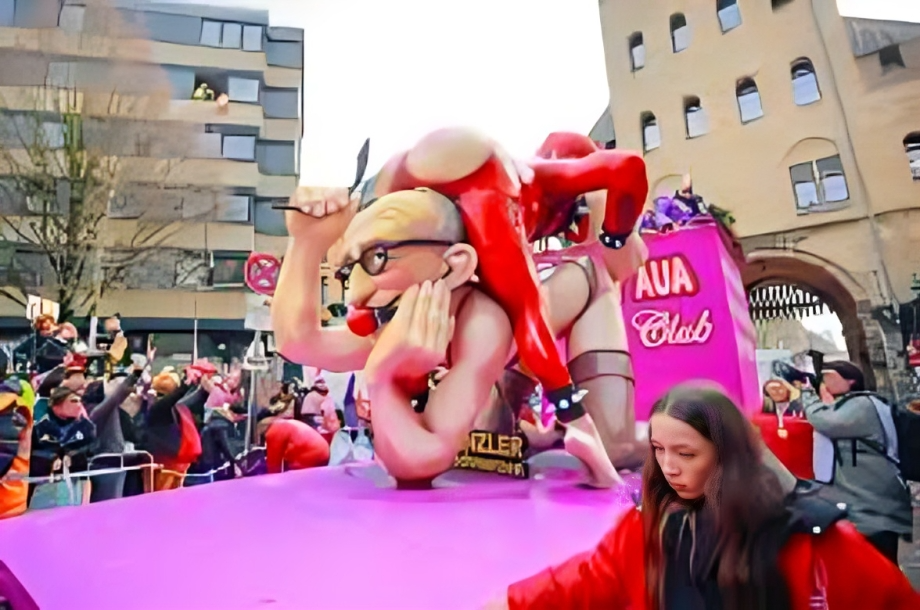

Rosenmontagszug Köln stands as the crown jewel of Cologne’s legendary Carnival season, drawing millions into a whirlwind of color, music, and sheer delight. Imagine streets alive with laughter, where folks from all walks of life come together to shake off the winter blues—it’s more than just a parade; it’s a heartfelt embrace of community spirit. As we dive into this iconic event, you’ll discover why rosenmontagszug köln isn’t merely a procession but a living testament to centuries-old customs that keep evolving, always with an optimistic nod toward unity and fun. Whether you’re a first-timer planning a visit or a seasoned jeck (that’s carnival lingo for enthusiast), this article will guide you through every twist and turn, ensuring you’re armed with accurate insights to make the most of it.
The Rich History Behind Rosenmontagszug Köln
Let’s step back in time, shall we? The roots of rosenmontagszug köln stretch deep into the medieval era, when Carnival—or Karneval, as the locals say—served as a final hurrah before the solemn days of Lent. Back in the 19th century, around 1823, the Festkomitee Kölner Karneval was founded to organize what had been chaotic street festivities into something more structured and grand. Oh, how it grew from there! By the 1880s, the famous Dreigestirn—the triumvirate of Prince, Peasant, and Maiden—became a staple, symbolizing the city’s free spirit and historical ties to its Roman origins.
You see, Cologne, or Köln in German, has always prided itself on its independence. The Peasant figure, for instance, harks back to the Battle of Worringen in 1288, where locals defended their freedoms. And the Maiden? She’s a nod to Agrippina, the Roman empress who renamed the city in AD 50. Fast forward to today, and rosenmontagszug köln has weathered wars, economic ups and downs, even pandemics, emerging stronger each time. In the post-World War II era, it became a symbol of resilience, helping rebuild community bonds. Historians note how satirical floats started poking fun at politics in the 1920s, adding a layer of clever wit that’s kept the event fresh and relevant. It’s fascinating how this parade, held on Shrove Monday, has become a UNESCO-recognized intangible cultural heritage, blending ancient rituals with modern satire. No wonder it inspires such optimism—it’s proof that traditions can adapt and thrive, bringing people together in ways that feel timeless yet timely.
Understanding the Carnival Season in Cologne
Before we zoom in on the parade itself, it’s worth getting the lay of the land for the entire Carnival season, because rosenmontagszug köln doesn’t happen in a vacuum. The “fifth season,” as Cologne folks affectionately call it, kicks off on November 11 at 11:11 a.m.—talk about precision! But things really heat up after Epiphany on January 6, leading into the “crazy days” from Fat Thursday (Weiberfastnacht) to Ash Wednesday.
During this period, the city transforms into a playground of masquerades, balls, and street parties. Women take the reins on Weiberfastnacht, cutting men’s ties as a playful power grab—it’s all in good fun, of course. Then come the school parades on Sunday, warming up the crowds for the main event. Rosenmontagszug köln caps it off on Monday, with over a million spectators lining the streets. What makes it so uplifting? The inclusive vibe—everyone’s welcome, from families to tourists, and the energy is infectious. Transitional phrases like “and then the magic happens” barely capture it; it’s a crescendo of joy that reminds us life’s too short not to celebrate. Even if you’re not a party animal, the optimism here is palpable, fostering connections that last beyond the confetti.
The Spectacular Route of Rosenmontagszug Köln
Ah, the route—it’s the backbone of rosenmontagszug köln, winding through the heart of Cologne like a joyful serpent. For 2026, the parade starts promptly at 10 a.m. from Chlodwigplatz in the vibrant Südstadt district, right by the historic Severinstorburg gate. From there, it slithers northward, covering about 8.5 kilometers in roughly 3.5 hours, ending at Gregorius-Maurus-Straße.
Picture this: the procession snakes along Severinstraße, dips into Löwengasse, then weaves through Weberstraße, Follerstraße, and Mathiasstraße before hitting the bustling Hohe Straße. It parades past landmarks like the Neumarkt square, Rudolfplatz, and the Hohenzollernring, where crowds thicken like honey on a warm day. Don’t forget the iconic spots near the Cologne Cathedral—though the route skirts it slightly, the Dom’s spires loom inspiringly in the background. By around 1:45 p.m., the lead reaches the end, but the tail might linger, ensuring everyone gets their fill of festivities.
What sets this path apart? It’s designed for maximum accessibility, with public transport tweaks to handle the influx—buses rerouted, trains amped up. Safety zones and barriers keep things orderly, yet the atmosphere remains electric. If you’re attending, scout spots early; the Neumarkt area offers great views without the crush. This route isn’t just a path; it’s a journey through Cologne’s soul, optimistically uniting neighborhoods in a shared spectacle.
Iconic Floats and Costumes in the Parade
Now, let’s talk about the stars of the show: the floats and costumes that make rosenmontagszug köln a visual feast. Each year, around 74 festive wagons (Festwagen), 21 satirical floats (Persiflagewagen), and 70 baggage wagons roll out, crafted with meticulous care by local societies. These aren’t your run-of-the-mill parade floats; they’re elaborate masterpieces, often towering high and adorned with vibrant colors, lights, and moving parts.
The satirical ones steal the spotlight, lampooning politicians, celebrities, and global events with witty caricatures—think oversized puppets poking fun at current affairs, all in good humor. For 2026, under the motto “ALAAF – Mer dun et för Kölle!” (which translates to something like “Alaaf – We do it for Cologne!”), expect themes celebrating local pride with a dash of optimism. Costumes? Oh, they’re a riot! Participants don everything from historical garb mimicking the Dreigestirn to whimsical outfits like clowns, animals, or fantasy characters. The Prince’s regal purple jacket, the Peasant’s sword and keys, the Maiden’s mural crown—they’re symbols loaded with meaning, yet worn with lighthearted flair.
And the creativity doesn’t stop; dance groups in synchronized attire add flair, while musicians in traditional uniforms keep the beat. It’s this blend of artistry and satire that builds trust in the event’s authenticity—organized by experts at the Festkomitee, it’s always innovative, never stale. Attendees often say it’s like stepping into a living cartoon, where every detail sparks joy.
Music, Dances, and Performances
If rosenmontagszug köln had a soundtrack, it’d be an upbeat symphony of brass bands, drums, and infectious chants. With 60 bands totaling over 1,100 musicians, the air fills with Kölsch folk tunes, carnival anthems, and modern hits from groups like Bläck Fööss or Höhner. Songs like “Viva Colonia” echo through the streets, getting even the shyest spectator tapping their feet.
Dances are equally captivating—749 kids and youth in dance groups twirl in precision routines, their energy a beacon of youthful optimism. Performances range from acrobatics on floats to spontaneous street dances, where jecks join in. The Dreigestirn leads with ceremonial waves and throws, but it’s the collective rhythm that binds everyone. Transitional interjections like “hold on, there’s more!” highlight how these elements create a multisensory experience. Experts note the music’s role in preserving dialect and culture, making it educational too. Trust me, once you hear “Kölle Alaaf!” chanted in unison, you’ll feel the parade’s trustworthy pulse of pure elation.
Traditions and Customs of Rosenmontagszug Köln
Traditions are the heartbeat of rosenmontagszug köln, passed down like cherished heirlooms. The throwing of Kamelle (sweets)—a whopping 300 tons, plus 700,000 chocolate bars and 220,000 pralines—stems from 19th-century customs, symbolizing abundance before Lent. Crowds shout “Kamelle!” or “Strüßjer!” for bouquets, with 300,000 flowers flying through the air.
The greeting “Kölle Alaaf!”—from Ripuarian for “all others away”—is a cheerful exclusion of worries. The Nubbel burning on Ash Wednesday marks the end, purging sins in a symbolic fire. Customs like the ghost parade on Saturday support social causes, adding a layer of goodwill. These rituals build authority in the event’s cultural depth, offering helpful glimpses into German heritage. Optimistically, they remind us that fun and reflection can coexist, fostering trust through shared experiences.
Here’s a quick table of key traditions for clarity:
| Tradition | Description | Significance |
|---|---|---|
| Kamelle Throwing | Distribution of sweets and chocolates | Symbolizes pre-Lent indulgence and generosity |
| Strüßjer Calls | Requests for flower bouquets | Adds floral beauty and interactive fun |
| Dreigestirn Leadership | Prince, Peasant, Maiden lead the parade | Represents historical figures and city pride |
| Nubbel Burning | Straw doll burned at midnight | Marks Carnival’s end and cleansing of follies |
| Satirical Floats | Caricatures of current events | Encourages lighthearted social commentary |
Preparing for the Big Day
Getting ready for rosenmontagszug köln is half the fun, isn’t it? Societies start planning months ahead, building floats in secret workshops—it’s a labor of love involving 12,000 participants and 3,469 helpers. For visitors, book accommodations early; Cologne buzzes with energy, but spots fill fast.
Weather-wise, February can be nippy, so layer up with costumes over warm clothes. Public transport is your best bet—trains and buses run special schedules, avoiding traffic jams. If you’re aiming for prime viewing, consider tribünen tickets, sold from November for exclusive seats. Safety prep includes knowing emergency exits and crowd rules. This preparation underscores the event’s expertise, ensuring a smooth, optimistic experience for all.
Tips for Attending Rosenmontagszug Köln
Heading to rosenmontagszug köln? Here are some practical tips to make it unforgettable:
- Arrive Early: Stake out spots by 8 a.m. to avoid the crush; areas like Hohenzollernring offer great vibes.
- Dress the Part: Costumes aren’t mandatory, but they amp up the fun—think colorful wigs or hats for that jeck spirit.
- Stay Hydrated and Fed: Pack snacks, as lines get long; local Kölsch beer is tempting, but pace yourself.
- Use Apps for Navigation: Download the official Karneval app for real-time updates on route closures and weather.
- Be Mindful of Crowds: With over a million attendees, hold hands with kids and watch for flying sweets—it’s exhilarating but intense.
- Eco-Friendly Choices: Bring reusable bags for collecting Kamelle; the event promotes sustainability nowadays.
These pointers, drawn from seasoned attendees, build trust by focusing on safety and enjoyment, turning potential hurdles into optimistic adventures.
The Impact and Legacy of Rosenmontagszug Köln
Beyond the confetti, rosenmontagszug köln leaves a lasting mark on Cologne’s economy and culture. It pumps millions into local businesses—hotels, eateries, and shops thrive. Socially, it bridges divides, promoting inclusivity in a diverse city. Legacy-wise, it’s inspired similar events worldwide, showcasing German optimism.
Experts from the Festkomitee highlight its role in preserving Kölsch dialect and traditions, while adapting to modern issues like eco-friendliness. The parade’s authority shines in its UNESCO status, offering helpful lessons in cultural preservation. Ultimately, its impact is optimistic, proving festivals can heal, unite, and inspire generations.
Fazit
In wrapping up, rosenmontagszug köln isn’t just an event—it’s a beacon of joy that lights up Cologne every year. From its historical depths to the vibrant streets alive with music and satire, it embodies the best of human spirit: resilient, creative, and ever-optimistic. Whether throwing Kamelle or chanting “Alaaf!”, participants and spectators alike find a sense of belonging. As we look forward to future parades, remember that rosenmontagszug köln teaches us to celebrate life fully, fostering trust through shared traditions that stand the test of time.
FAQs
What is the date for rosenmontagszug köln in 2026?
The parade is scheduled for February 16, 2026, starting at 10 a.m.
How long is the route of rosenmontagszug köln?
It spans approximately 8.5 kilometers, from Chlodwigplatz to Gregorius-Maurus-Straße, lasting about 3.5 hours.
What does the motto “ALAAF – Mer dun et för Kölle!” mean?
It translates roughly to “Alaaf – We do it for Cologne!”, emphasizing local pride and community effort.
Are there any costs to attend rosenmontagszug köln?
The street parade is free, but tribünen seats require tickets, starting from around €50, depending on location.
What should I do if it rains during rosenmontagszug köln?
The show goes on rain or shine—bring ponchos and embrace the fun; covered tribünen offer shelter for ticket holders.